
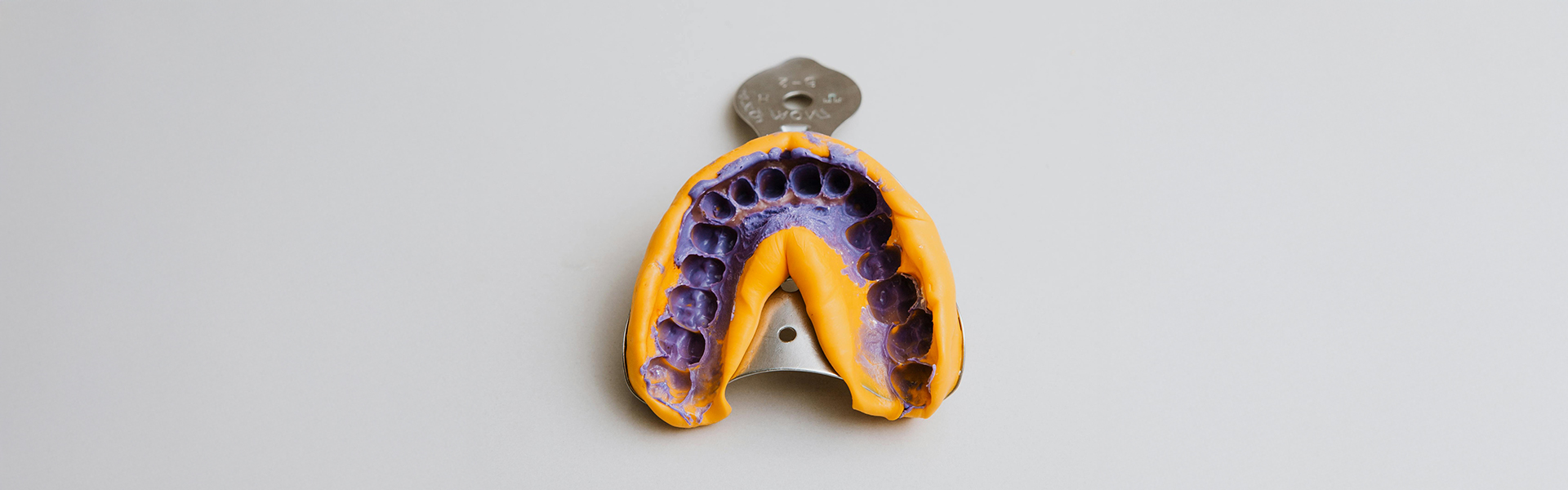
Loose Space Maintainer? Important Steps Parents Should Take Right Away
A Space maintainer in Taylor, MI, helps prevent neighboring teeth from shifting and protects the space needed for a permanent tooth to erupt. To support proper dental development, a space maintainer may be used to maintain the space required for a permanent tooth to emerge. When a tooth is lost too soon, a space maintainer can preserve the room needed for healthy tooth development.
When a space maintainer becomes loose, broken, or dislodged, prompt dental attention can help prevent complications. A loose appliance may no longer keep the space open as intended, allowing nearby teeth to shift. It may also cause discomfort or further damage during normal daily activities. Knowing what to do right away can help protect your child’s oral health and prevent unnecessary complications. Some parents first notice a problem when the appliance shifts while their child is eating or brushing their teeth.
What Is a Space Maintainer in Taylor, MI?
A space maintainer is a dental appliance used after early tooth loss to preserve the gap left behind by a missing baby tooth. Without that space, neighboring teeth can gradually move into the area, making it harder for a permanent tooth to erupt properly.
These appliances are commonly recommended when a baby tooth is lost because of:
- Tooth decay
- Injury or trauma
- Dental extraction
- Developmental concerns
Space maintainers can be either fixed or removable, depending on the child’s age, dental development, and treatment needs.
Benefits of a space maintainer may include:
- Maintaining healthy tooth spacing
- Supporting the proper eruption of permanent teeth
- Reducing the risk of crowding
- Limiting future orthodontic concerns
A pediatric dentist will determine whether a space maintainer is appropriate and which type best fits your child’s needs.
Why a Loose Space Maintainer Shouldn’t Be Ignored After Early Tooth Loss
A space maintainer works only when it remains secure and properly positioned. Once it becomes loose, its ability to preserve space may be affected.
Potential problems include:
- Nearby teeth are moving into the open space
- Irritation of the gums, cheeks, or tongue
- Difficulty chewing comfortably
- Damage to appliance components
- Increased risk of future alignment issues
Addressing appliance concerns early can help preserve the space needed for permanent teeth.
Even if your child is not experiencing pain, a loose appliance should be checked promptly to ensure it continues functioning as intended.
Common Reasons a Space Maintainer Becomes Loose
Several factors can contribute to a loose appliance.
-
Chewing Sticky or Hard Foods
Foods such as gum, caramel, taffy, hard candy, and ice can place excessive pressure on the appliance and supporting teeth.
-
Normal Wear Over Time
Daily chewing and regular use can gradually affect how securely the appliance fits.
-
Playing with the Appliance
Children sometimes push on the appliance with their fingers or tongue. Repeated pressure may loosen certain components.
-
Grinding or Clenching
Habitual grinding or clenching can place additional stress on both the appliance and surrounding teeth.
-
Cement Breakdown
Fixed appliances are often attached using dental cement. Over time, the cement may weaken and require professional attention.
-
Sports or Playground Injuries
Falls, collisions, and other accidents can bend, loosen, or damage a space maintainer.
In some situations, professional repair of a space maintainer may be needed to restore proper function.
Signs Your Child’s Space Maintainer Is Loose
Parents are often the first to notice changes in a child’s appliance.
Watch for signs such as:
- The appliance moves when touched
- Complaints of rubbing or irritation
- Difficulty chewing certain foods
- Bent wires or visible damage
- Food becomes trapped around the appliance
- Changes in speech
- Soreness inside the mouth
- A noticeable change in fit
A broken space maintainer may not always cause immediate discomfort, which is why regular observation is important.
What Parents Should Do Right Away
If you suspect that your child’s appliance has become loose, a few simple steps can help prevent further problems until a dental visit can be scheduled.
Stay Calm
Most loose space maintainers are not dental emergencies. Remaining calm helps reassure your child and makes it easier to assess the situation.
Check the Appliance Carefully
Look for obvious movement, damaged components, or irritating areas. Avoid excessive handling while examining the appliance.
Avoid Adjusting It Yourself
Do not attempt to tighten, bend, reposition, or repair the appliance at home.
Home repairs can:
- Damage the appliance further
- Cause injury to oral tissues
- Affect how the appliance functions
Choose Soft Foods
Until the appliance is evaluated, offer foods that require minimal chewing.
Examples include:
- Yogurt
- Oatmeal
- Pasta
- Scrambled eggs
- Applesauce
- Mashed potatoes
Sticky, crunchy, and hard foods can place extra stress on a space maintainer and should be avoided.
Contact the Dental Office
Schedule an appointment as soon as possible. A dentist can determine whether the appliance needs adjustment, space maintainer repair, or replacement.
What NOT to Do with a Loose Space Maintainer
To protect the appliance and maintain its functionality, it is important to avoid actions that could cause complications.
- Do not use household glue or adhesives
- Do not bend wires into place
- Do not pull on the appliance
- Do not allow your child to play with it using their tongue or fingers
- Do not ignore ongoing discomfort
- Do not postpone care if part of the appliance becomes detached
Professional assessment is always the safest option.
Could a Loose Space Maintainer Become an Emergency?
Most loose space maintainers can be addressed during a scheduled dental visit. However, certain situations require more immediate attention.
A space maintainer emergency may occur if:
- The appliance becomes completely detached
- Sharp edges are causing cuts or sores
- Your child experiences significant pain
- The appliance interferes with eating or speaking
- There is a risk that the appliance could be swallowed or inhaled
If the appliance comes out completely, remove it from your child’s mouth if it can be done safely. Bring it to your dental appointment so the dentist can evaluate it.
How to Prevent Space Maintainer Problems
Not every complication can be avoided, but proper care and healthy habits can help protect your space maintainer.
-
Avoid Sticky Candy, Gum, and Hard Foods
Limiting foods that place excessive stress on the appliance can help prolong its lifespan.
-
Encourage Good Oral Hygiene
Gentle brushing around the appliance helps keep teeth and gums healthy while reducing plaque buildup.
-
Wear a Mouthguard During Sports
If your dentist recommends it, a properly fitted mouthguard can help protect both your teeth and dental appliances during athletic activities.
-
Attend Regular Dental Checkups
Routine visits allow the dentist to monitor the appliance and identify concerns before they become more serious.
Parents looking for a pediatric space maintainer near me should also make sure follow-up appointments are not missed, as regular monitoring is an important part of treatment.
Protecting Your Child’s Smile Starts with Quick Action
A loose space maintainer should be addressed as soon as it is noticed. Even when there is no pain, an unstable appliance may no longer preserve the space needed for permanent teeth to erupt properly. Small appliance issues are often easier to correct when addressed early, before they affect tooth spacing or oral comfort.
If your child’s appliance becomes loose, damaged, or uncomfortable, scheduling a professional evaluation is the best way to protect their developing smile.
At Golnick Pediatric Dental Associates, families receive compassionate care focused on supporting healthy dental development throughout childhood.
Frequently Asked Questions
What should I do if my child’s space maintainer becomes loose?
Avoid adjusting the appliance yourself and contact a dental office as soon as possible. A dentist can determine whether it needs adjustment, repair, or replacement.
Can a loose space maintainer cause problems?
Yes. If left untreated, nearby teeth may begin moving into the space, which can affect how permanent teeth erupt.
Should my child still eat with a loose space maintainer in place?
Soft foods are generally the safest option until the appliance can be examined. Sticky and hard foods should be avoided.
Can a loose space maintainer be repaired?
Many loose appliances can be repaired or re-cemented. The appropriate solution depends on the condition of the appliance and surrounding teeth.
Is a loose space maintainer an emergency?
Not always. However, immediate dental care may be necessary if the appliance becomes detached, causes injury, or creates a choking hazard.